How are immersive and interactive technologies transform retail and consumer experiences
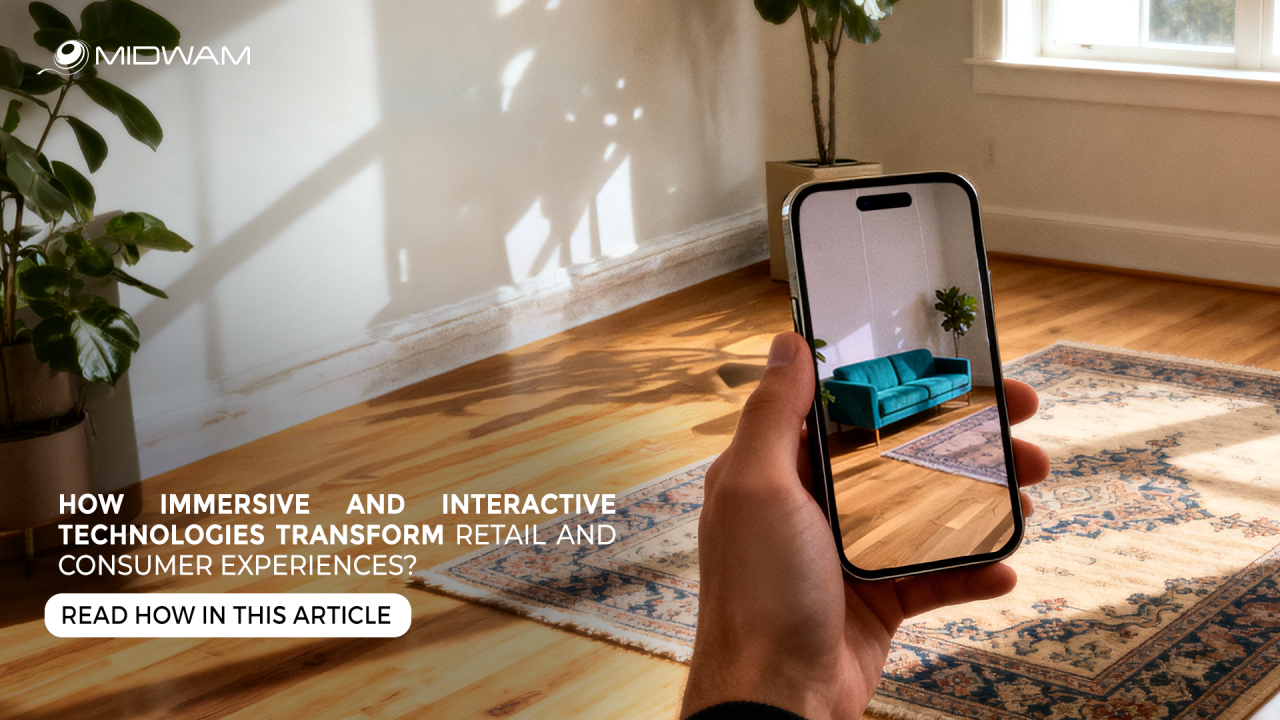
How are immersive and interactive technologies transform retail and consumer experiences
Beyond Transactions: How Immersive and Interactive Technologies are Reshaping Retail and Consumer Experiences
The retail landscape is undergoing a profound metamorphosis, driven by the relentless pace of technological innovation and evolving consumer expectations. No longer content with passive shopping, today’s consumers seek engaging, personalized, and memorable experiences. Immersive and interactive technologies are at the forefront of this transformation, blurring the lines between physical and digital, and creating entirely new paradigms for how brands connect with their customers.
The Dawn of Immersive Shopping Experiences
Retailers are keenly aware of the need to adapt to the demands of a new generation of shoppers. This has led to a significant shift towards creating immersive shopping environments that go beyond traditional sales floors. These tech-forward experiences, ranging from interactive pop-ups to AI-driven personalized interactions, are designed to captivate customers and foster deeper engagement. This movement signifies a strategic pivot towards ‘immersive shopping,’ which is opening up unprecedented opportunities for retailers to differentiate themselves and build stronger customer relationships.
Digital Transformation as a Retail Imperative
The digital transformation is not just an option but an imperative for the modern retail sector. PwC’s Retail Monitor 2025 underscores the critical role of retail employees in this transformation, highlighting how the integration of technology is fundamentally reshaping operational models and customer service strategies. This involves leveraging digital tools to streamline processes, enhance efficiency, and ultimately deliver a superior customer journey. The focus is on creating a cohesive ecosystem where technology empowers both staff and customers.
Hands-On Engagement: Experiencing Technology Firsthand
To truly understand the potential of these new technologies, businesses themselves are engaging in hands-on experiences. PwC, for instance, has launched immersive programs that allow participating businesses to directly test and explore advanced technologies. This practical approach supports business reinvention by enabling companies to see, feel, and interact with the very innovations that are driving market change. Such initiatives are crucial for fostering adoption and ensuring that retailers can effectively integrate these tools into their strategies.
AI’s Role in Personalizing the Fashion Retail Journey
Artificial Intelligence (AI) is playing a particularly transformative role in fashion retail, especially in regions like Saudi Arabia. AI-powered fashion marketplaces, such as Riyadh-based Taffi, are revolutionizing the shopping experience across the Middle East and North Africa. These platforms leverage AI to offer personalized recommendations, virtual try-ons, and streamlined purchasing processes, making the shopping journey more intuitive and tailored to individual preferences. This demonstrates how AI is not just automating tasks but actively enhancing the customer’s interaction with fashion brands.
The Rise of ‘Retailtainment’: Blending Shopping with Entertainment
Shopping malls, particularly in Saudi Arabia, are evolving beyond mere retail spaces into comprehensive entertainment destinations, a trend dubbed ‘retailtainment.’ This strategy involves integrating technology and entertainment offerings to create a more dynamic and engaging environment for consumers. Malls are adapting by enhancing the overall customer experience, offering unique in-person activities that cannot be replicated online. This blend of retail and entertainment is proving to be a powerful magnet for consumers, driving growth and redefining the purpose of physical retail spaces. (Source: Arab News, “‘Retailtainment’ shaping growth of shopping malls in Saudi Arabia,” June 7, 2025)